Junior Dog Helper
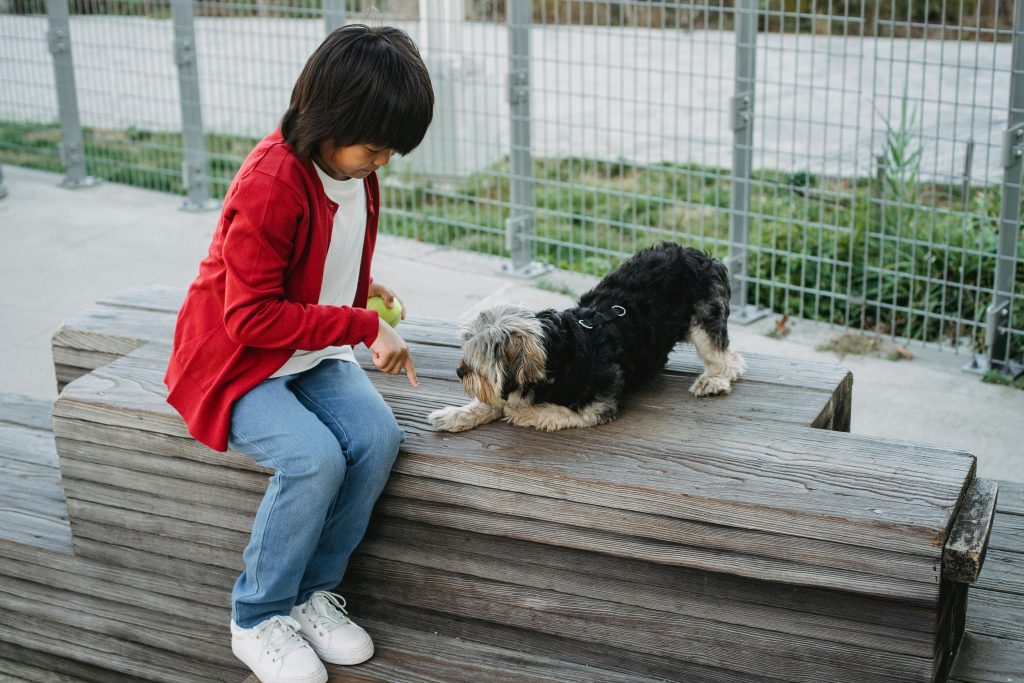
This is usually where kids get their first real exposure to dogs beyond their own pet at home. They might help stuff enrichment toys, refill treat jars, or gently brush a calm dog while an adult supervises. We keep things simple and hands-on.
Along the way, they learn what safe interaction actually looks like — how to approach, when to give space, and why not every wagging tail means “pet me.”
Some kids are shy at first. That’s normal. By the end of a session, they’re often more confident than they expected.
Time Commitment: 1–2 hour scheduled sessions
Ages: 8–11 (with a parent or guardian present)
Teen Transition Team
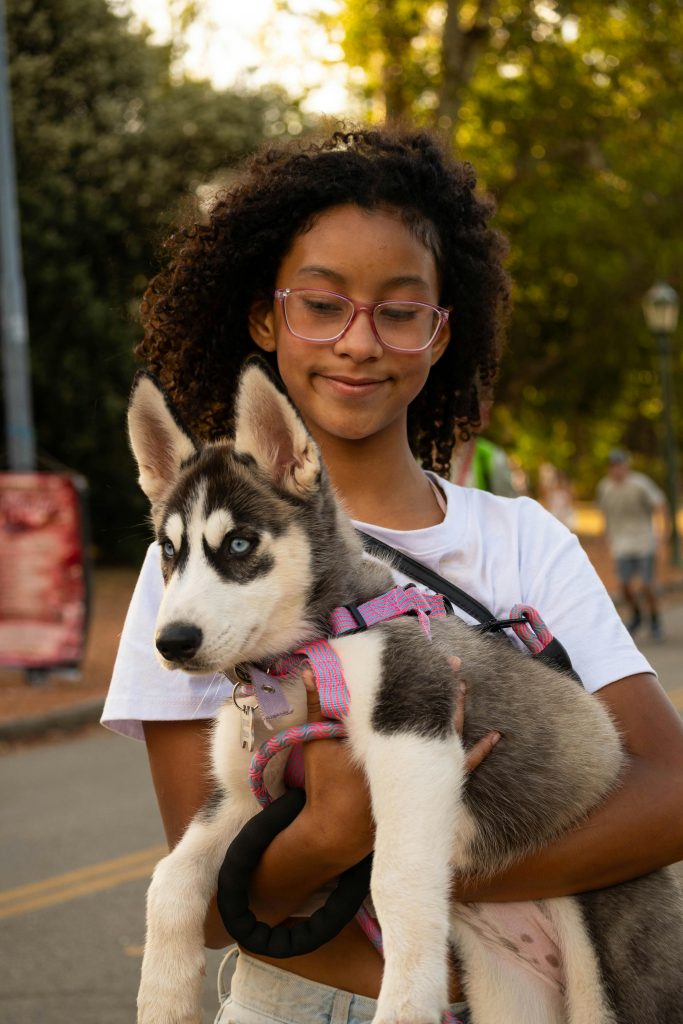
Teens at this age often want more responsibility — and they’re usually ready for it. They help supervise social time with dogs (always with staff nearby), assist with light grooming prep, and pitch in during event setup.
They also get a clearer look at how dogs move from one situation to another. Structured rehoming may sound technical, but in practice it’s about timing, communication, and paying attention to details most people don’t notice.
Some teens come because they love dogs. Others are curious about veterinary or animal careers. Both tend to leave understanding the bigger picture.
Time Commitment: 2–3 hour blocks, scheduled flexibly
Ages: 12–15

Youth Leadership Program
By this stage, volunteers aren’t just helping — they’re contributing. They may support adoption events, help draft dog bios (which is harder than it sounds), or assist with transport logistics alongside adults.
They might also shadow foster coordination, which tends to reveal how much behind-the-scenes planning goes into each placement.
It’s a good fit for teens who want experience that feels meaningful, not just something to list on a college application.
Time Commitment: Ongoing or seasonal options available
Ages: 16–17
Adult Dog Transition Volunteer
This is the core hands-on team. Volunteers handle dogs, help with exercise routines, assist with grooming, and support intake days. It’s practical work — sometimes quiet, sometimes busy.
On certain days, you might be walking a high-energy dog who just needs structure. On others, you’re organizing crates before an event. It’s varied, which many people end up liking.
Time Commitment: Flexible — weekday, evening, and weekend options
Ages: 18+


Foster Partner Program
Fostering is short-term, but it matters. Partners provide a stable home environment for a few weeks — usually 1–3 — giving dogs a consistent routine before they move into a permanent home.
It’s not about “fixing” a dog. More often, it’s about providing normalcy: regular meals, predictable sleep, calm transitions. That stability tends to show when the dog meets potential adopters.
Some fosters do it once. Others find themselves coming back.
Time Commitment: Short-term placements (typically 1–3 weeks)
Ages: 21+
Event & Community Team
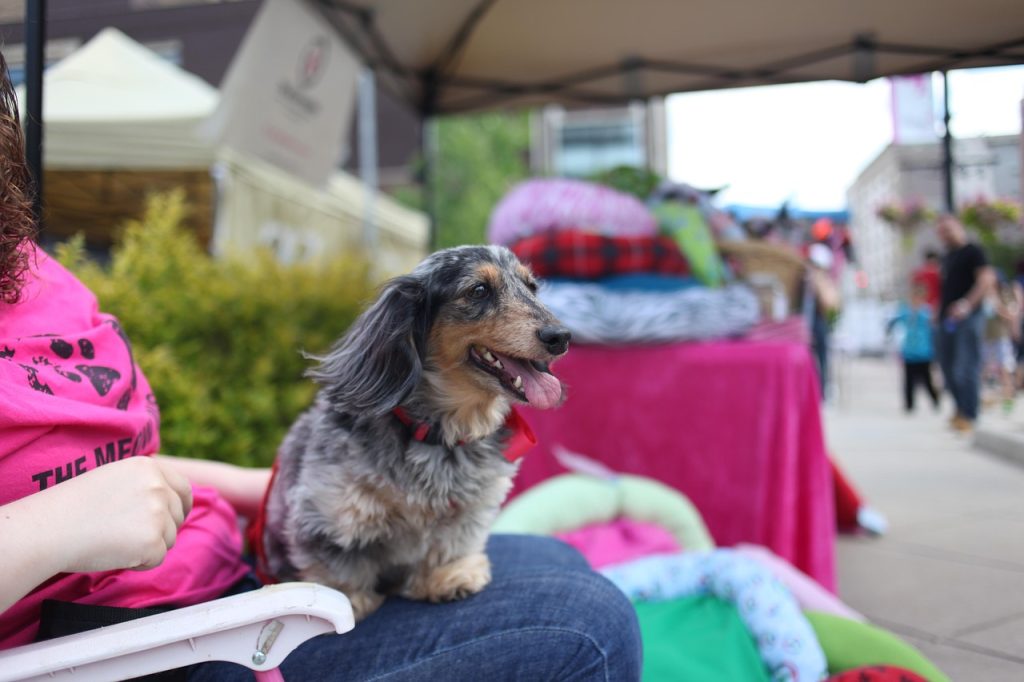
If you enjoy people as much as dogs, this may be your lane. Volunteers represent the rescue at community events, help set up and break down booths, greet families, and keep adoption days running smoothly.
It’s part logistics, part conversation. You may find yourself answering the same three questions repeatedly — and that’s okay. Clarity matters.
Time Commitment: Per-event basis
Time Commitment: Short-term placements (typically 1–3 weeks)
Ages: 16+
Professional Skills Volunteer
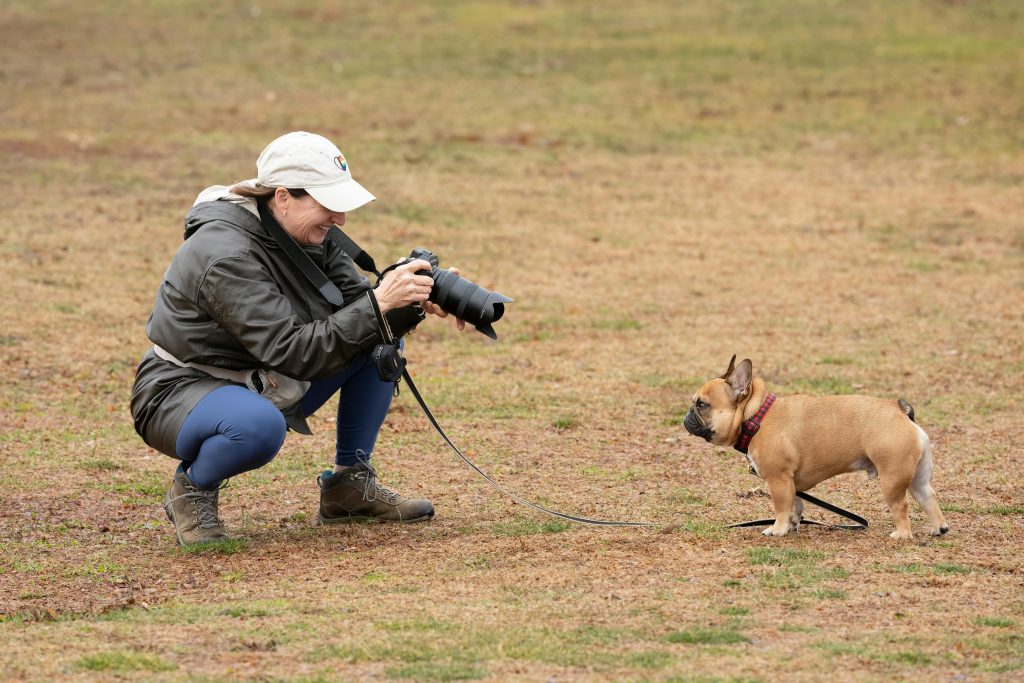
Not everyone wants to walk dogs — and that’s useful. Photographers, social media helpers, website editors, transport coordinators, groomers, and administrative volunteers all play a role.
A well-written bio or a strong photo may quietly influence whether a dog gets noticed. It’s not flashy work, but it makes a difference.
Projects are typically defined and flexible, depending on availability.
Time Commitment: Project-based
Ages: 18+